Best Diet for Women Over 40 to Lose Belly Fat (4-Step Action Plan)
The nutritionist whose book I’d renewed at the library three times in one year had an unwavering position: the best diet for women over 40 to lose belly fat starts with knowing exactly what you’re actually eating, not what the marketing on the front of the package claims. Her rule was specific: read every label before anything goes in your cart. Not the front. The back, the actual nutrition facts, the ingredient list, the fine print that no marketing team ever wants you to reach for.
I took that advice seriously enough to start keeping a small magnifying glass in my wallet. Specifically for the grocery store. The first time I pulled it out in the cereal aisle I felt mildly self-conscious. After a few weeks, it felt like the most useful thing I owned. I started turning over packages I had bought for years without a second look, crackers I had considered a reasonable snack, “whole grain” breads that turned out to be mostly refined flour with oat bran for appearance, protein bars that were closer to dessert than recovery food. This is where I began to understand what eating well after 40 actually requires, and how different that is from what the label on the front of the package suggests.
What I was learning from reading, from doctors and nutritionists whose research I could follow in the footnotes, was coming into focus in real time in the grocery aisle. Clean food makes a clean body. Not as a slogan, but as a literal mechanism: what you give your body to process determines what it can and cannot do. And the definition of “clean” shifts at 40 in ways that the standard healthy eating guidelines don’t fully account for.
I became more deliberate about preparing food for myself. More willing to wash, trim, and put in the time that eating well actually requires. And as I started to understand the specific reasons why nutrition looks different from what I’d been doing, not just different in theory, but different because the hormonal biology had changed, the food choices that made sense changed with it.
This post is what I’ve learned and what I’ve tested. Not a list of superfoods, not a meal plan to follow for 30 days. A set of principles that address what’s actually happening in the body after 40, and what eating needs to do differently in response.
Why “Eating Right” Is a Moving Target After 40
The version of healthy eating most of us grew up with, whole grains, lean protein, fruits and vegetables, moderate fat, reasonable portions, was built around a metabolic profile that doesn’t precisely describe a woman in her mid-40s or 50s. The advice was not wrong. It was just written for a different body. Understanding what eating needs to do differently now means understanding what has specifically changed, and why those changes require different choices.
Three shifts after 40 make that generic model increasingly incomplete as a practical strategy.
Insulin resistance changes how carbohydrates are processed. As estrogen declines through perimenopause, cells become progressively less responsive to insulin’s signal. The brown rice, whole grain bread, and bowl of fruit that felt metabolically neutral at 38 now produce a larger blood sugar spike and a bigger insulin response, meaning more of that meal gets directed toward fat storage rather than energy. The food hasn’t changed. The hormonal response to it has.
Protein requirements increase as muscle synthesis becomes less efficient. A process called anabolic resistance means that after 40, the body uses dietary protein for muscle maintenance less efficiently than it did before. The same 55 to 65 grams of daily protein that maintained muscle reasonably well at 35 is no longer adequate at 45. Muscle drives resting metabolism; losing it quietly (which is what happens when protein is insufficient) slows the entire fat-burning system.
Inflammation becomes a direct driver of fat accumulation. Visceral belly fat (the type that preferentially increases after menopause) produces inflammatory compounds that worsen insulin resistance and drive more fat storage. Breaking this cycle requires actively anti-inflammatory eating, not just eating that avoids obvious junk food.
📊 The Diet Numbers That Matter After 40
Protein: The Number That Changes Everything
When I learned that muscle doesn’t disappear only because you stop exercising, that it disappears just as steadily when you don’t eat enough protein to maintain it, something clicked about why the resistance training I’d been doing wasn’t producing visible results. I was asking my muscles to rebuild and hold their ground without giving them the raw material to do it.
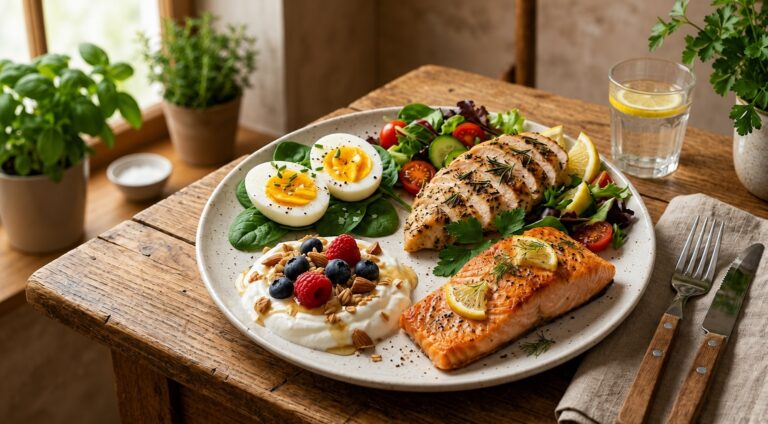
I started treating every meal as an opportunity to hit a specific protein number. Not a general sense of “having some protein”, an actual target. A palm-sized portion of unprocessed protein at every meal became the rule. The animal proteins I chose were as unprocessed as possible: fish, eggs, plain tofu, beans, Greek yogurt without additives. Not protein bars. Not processed deli meat. Food that came close to how it was grown or caught.
What changed almost immediately was hunger. I had loved crackers, proper crackers, with texture, the kind I could eat a sleeve of without noticing. They had been a constant in my kitchen. Within a few weeks of hitting my protein targets consistently, I stopped reaching for them the way I used to. Not through discipline. The hunger that drove the cracker habit had quieted down. A palm of protein at lunch did something that the same calories in crackers never had: it actually satisfied me for the following three hours.
The mechanism behind this is GLP-1, the satiety hormone that protein stimulates more powerfully than any other macronutrient. Adequate protein at a meal triggers GLP-1 release, which tells the brain that energy intake is sufficient and suppresses appetite for the hours that follow. The crackers produced a blood sugar spike and a relatively fast crash. The protein produced a sustained satiety signal. Same calorie ballpark, completely different hormonal response.
The research on protein for women over 40 is consistent: somewhere between 90 and 120 grams per day is the target for meaningful muscle preservation and fat loss support. Most women in this age group are eating 50 to 65 grams. The gap between what’s habitual and what’s actually needed is large enough to explain a significant portion of the metabolic frustration this decade brings.
✅ Protein Targets and Sources That Work
- Per meal target: roughly palm-sized at each of three meals, aim for 30–35g at breakfast, 30g at lunch, 25–30g at dinner
- Best unprocessed sources: wild-caught fish, eggs, plain Greek yogurt, firm tofu and edamame, lentils and black beans, cottage cheese
- Breakfast is the highest-leverage meal: after an overnight fast, muscle protein synthesis is primed to respond, a high-protein breakfast sets the metabolic tone for the day in a way that other meals can’t fully compensate for if it’s missed
- Spread throughout the day: the body can only use a limited amount of protein for muscle synthesis at once; three protein-anchored meals outperform one large protein meal with two small ones
- Plant-based protein works with strategy: legumes with grains provide complete amino acids; edamame is particularly high-protein and low-inflammatory for women in perimenopause
Carbohydrates After 40: What to Choose and How to Pair Them
My morning started changing when I replaced breakfast with something I blended myself: carrot, apple, celery, a small piece of beet, and ginger powder. It wasn’t a dramatic recipe. But I noticed within a few weeks that something else was changing alongside my mornings, my blood pressure numbers, which had been edging upward, started coming down. My doctor noticed at a follow-up visit and asked what I’d changed.
What I had done wasn’t complicated. I had shifted from processed carbohydrates in the morning to whole, unrefined foods, vegetables and fruit that came with their fiber and phytonutrients intact rather than stripped out in manufacturing. The beet and celery in that smoothie have been specifically studied for their effects on blood pressure through nitric oxide production. The fiber slowed glucose absorption. The anti-inflammatory compounds did what they were supposed to do when consumed consistently over weeks.
Lunch shifted too. Beans or tofu alongside a large salad bowl (with nuts and seeds mixed in for fat and texture) started producing a different afternoon than my previous lunches had. By 3pm I felt lighter, not the heaviness that used to descend on me after midday meals. I switched my grain carbohydrates to kamut, black beans, and brown rice. My digestion, which had been unpredictable, became noticeably more settled. The gut comfort I’d been vaguely hoping for over the years arrived as a quiet but consistent reality.
These weren’t dramatic interventions. They were a shift from processed and refined carbohydrates to unprocessed ones, and from eating carbohydrates alone to always pairing them with protein, fat, or both. That pairing rule turns out to be one of the most important dietary principles for women over 40 specifically.
After 40, as insulin sensitivity decreases, carbohydrates eaten without protein or fat produce a meaningfully larger blood sugar spike than the same carbohydrates eaten alongside them. A bowl of oatmeal alone hits the bloodstream differently than oatmeal with eggs. An apple alone is a different metabolic event than an apple with a handful of walnuts and Greek yogurt. The carbohydrate is the same. The insulin response is not. Pairing everything is not a restriction — it’s a recalibration of how to eat foods you don’t need to give up.
✅ Carbohydrates That Consistently Work After 40
- Non-starchy vegetables, unlimited and at every meal. Broccoli, leafy greens, zucchini, peppers, celery, beets. Low glycemic, high fiber, anti-inflammatory, and (for cruciferous varieties) mildly supportive of estrogen metabolism
- Berries. Blueberries, raspberries, blackberries. High in anthocyanins that directly target visceral fat inflammation. Lower glycemic than most fruit with more fiber per serving
- Legumes. Lentils, chickpeas, black beans, edamame. Moderate protein, genuine soluble fiber, and some of the lowest glycemic scores of any carbohydrate-containing food
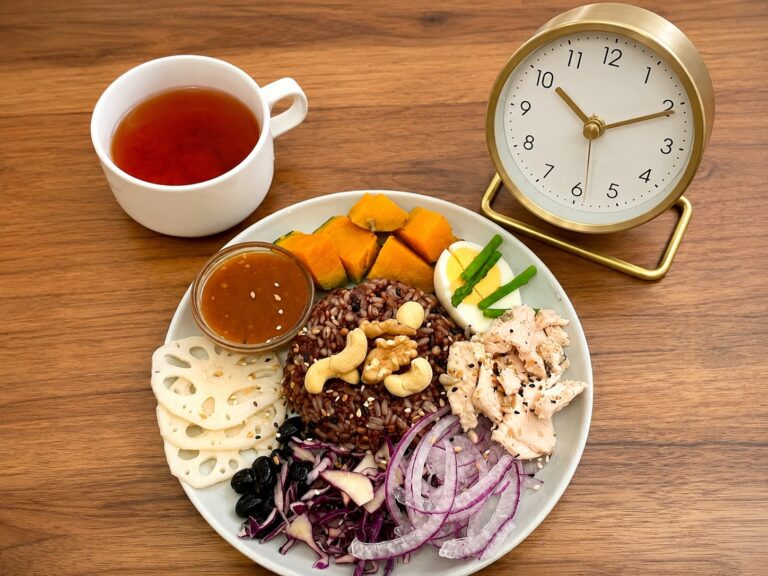
- Ancient and whole grains in small portions. Kamut, quinoa, brown rice, steel-cut oats. Eaten with protein and fat, these provide stable energy. Eaten alone in large portions, they produce the same insulin spike as more refined grains
- Root vegetables prepared thoughtfully. Sweet potato and beet, particularly when cooled after cooking (resistant starch increases), are among the most nutritionally dense carbohydrate sources available, and significantly better options than white rice or white bread
The Pairing Rule. Non-Negotiable After 40
Carbohydrates eaten alone, fruit as a standalone snack, crackers between meals, oatmeal without protein, rice as the base of a low-protein meal, produce a faster, sharper insulin response than the same carbohydrates with protein and fat. After 40, when insulin sensitivity is already reduced, this pattern repeats itself into chronic insulin elevation that keeps fat storage locked in. Pairing everything is the single most practical carbohydrate rule available.
The Fat That Works in Your Favor Right Now
For years, I treated cooking oil as something to be measured and rationed. More than a teaspoon felt like excess. Looking back, I was treating the wrong thing as the problem. The quality of the fat mattered far more than the quantity, and the refined, processed oils I had been using occasionally were less useful than the generous drizzle of real extra-virgin olive oil I eventually replaced them with.
Fat quality matters after 40 because inflammation sits at the center of the weight gain equation in this decade. Visceral belly fat produces inflammatory cytokines that worsen insulin resistance and promote further fat storage. Certain dietary fats, primarily the omega-3s in fatty fish and the polyphenols in cold-pressed olive oil, directly suppress those cytokines. Others, primarily the omega-6-heavy seed oils in most processed foods, amplify them.
This isn’t about eating more fat or less fat. It’s about replacing inflammatory fats with anti-inflammatory ones as consistently as possible.
Fat Priorities for the Best Diet After 40
- Extra-virgin olive oil as the primary cooking and finishing fat, cold-pressed, in a dark bottle, used generously rather than sparingly; the polyphenol content is largely absent in refined “light” versions and is destroyed by very high heat
- Fatty fish 2–3 times per week, wild salmon, sardines, mackerel; the EPA and DHA omega-3s deliver anti-inflammatory effects that no plant-based omega-3 source replicates with the same efficiency
- Avocado, oleic acid, fiber, and potassium together; the fat slows glucose absorption and supports stable blood sugar across the meal
- Walnuts and ground flaxseed, best plant-based omega-3 sources; walnuts also support gut microbiome diversity with downstream effects on systemic inflammation
- Reduce omega-6-heavy seed oils, corn, soybean, sunflower, and standard “vegetable” blends; replacing these with olive oil for everyday cooking shifts the inflammatory balance over time in a measurable way
When You Eat Is Part of the Diet
Meal timing has more metabolic significance after 40 than before, because cortisol rhythms, insulin sensitivity, and digestive function all follow circadian patterns that become more influential as hormonal buffering weakens. The body is not a static machine that processes food identically regardless of the clock. It is a time-sensitive system, and eating in alignment with that timing is part of what eating well in this decade involves.
Insulin sensitivity is highest in the morning and declines through the afternoon into the evening. The same portion of carbohydrates that produces a modest blood sugar response at 8am produces a noticeably larger one at 8pm. Eating the majority of carbohydrates earlier in the day, and keeping dinner lighter, with more protein and vegetables and fewer grains, aligns eating with the body’s actual insulin capacity rather than working against it.
Finishing dinner earlier matters separately. A meal eaten within two hours of sleep suppresses overnight growth hormone release, the primary fat-mobilizing and muscle-maintaining hormone that peaks during deep sleep. Eating earlier allows insulin to drop before sleep onset, which allows growth hormone to do its job. The sleep improvements that tend to follow eating lighter, earlier dinners are not coincidental: they are the downstream effect of better hormonal alignment through the evening.
✅ Meal Timing Principles After 40
- Break the overnight fast with protein. The first food of the day determines blood sugar trajectory for the following four to six hours. A protein-anchored breakfast produces a different hormonal environment than the same calories as toast or cereal: lower insulin, higher GLP-1, more stable energy through mid-morning
- Carbohydrates earlier, lighter at dinner. Front-load carbohydrates in the first half of the day when insulin sensitivity is highest; keep evening meals protein and vegetable-centered with smaller grain portions
- 12–14 hour overnight fast as a baseline. Finishing by 7pm and eating breakfast at 7–8am creates a natural fasting window that allows full insulin reset without the cortisol cost of more aggressive fasting protocols
- 10-minute walk after the largest meal. Reduces post-meal blood sugar by 20–30% through direct muscle glucose uptake, one of the simplest metabolic interventions available and one of the most consistently underused
What a Practical Week Can Look Like
The principles above become real through repetition, not through a perfect 7-day meal plan. This isn’t a specific menu, it’s a set of consistent priorities that become the path of least resistance in your kitchen, so that the default choice when you’re busy is close to the right choice metabolically.
| Principle | What It Looks Like on the Plate | Why It Matters |
|---|---|---|
| Protein First , 90–120g/day | Eggs + Greek yogurt at breakfast; fish or tofu at lunch; legumes or lean protein at dinner | Preserves muscle, stimulates GLP-1, reduces afternoon hunger |
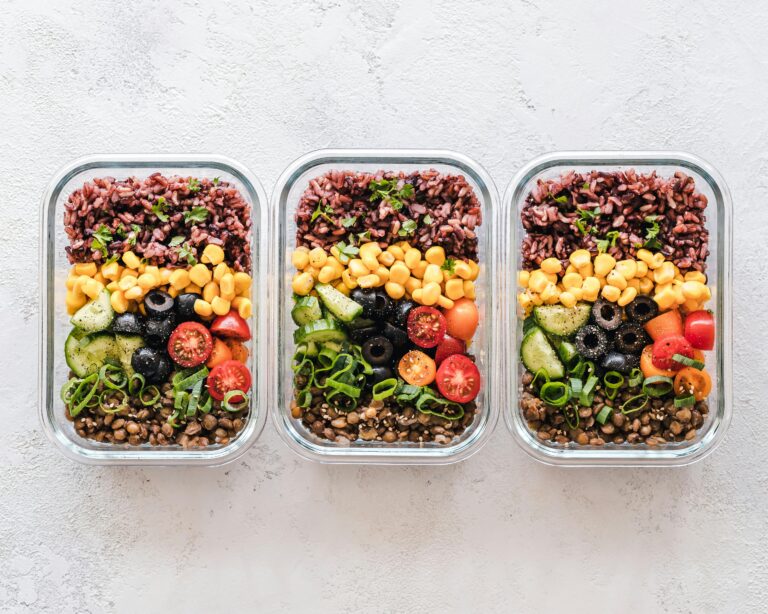
| Unrefined Carbohydrates, Always Paired | Black beans with fish; brown rice alongside a big salad; sweet potato with eggs | Blunts insulin spike; fiber feeds gut bacteria that regulate inflammation |
| Anti-Inflammatory Fat Daily | EVOO on vegetables; salmon 2–3×/week; walnuts and flaxseed in smoothies or salads | Directly suppresses inflammatory cytokines visceral fat produces |
| Earlier, Lighter Dinner | Finish eating by 7pm; dinner is protein + vegetables with smaller grain portion | Allows insulin to drop before sleep; supports growth hormone release overnight |
| Morning Whole-Food Smoothie Option | Carrot, beet, apple, celery, ginger, add protein powder or pair with eggs | Concentrated micronutrients, natural blood pressure support, anti-inflammatory foundation for the day |
Nothing on this list requires special ingredients or a complicated tracking system. The magnifying glass at the grocery store is still the most practical tool I have, because it turns the label-reading habit that the nutritionists in those books recommended into a real physical action. Not a mental note. A small glass in the wallet that comes out in the cereal aisle every time.
That habit, more than any single food choice, is what changed the quality of my pantry over time, and with it, the quality of every meal built from it.
Frequently Asked Questions
Is there one food that makes the biggest difference for belly fat after 40?
If forced to name one category rather than one food: protein at breakfast. The research on high-protein breakfast for women over 40 is consistent. It produces lower insulin, higher GLP-1 satiety hormone, and meaningfully reduced hunger through the day compared to a carbohydrate-centered breakfast at the same calorie level. The downstream effects of a protein-anchored breakfast, fewer afternoon cravings, steadier blood sugar, reduced evening overeating, compound over weeks in a way that single food additions elsewhere in the diet rarely achieve. Eggs, Greek yogurt, tofu, cottage cheese, fish, the source matters less than hitting 30 to 35 grams before the morning is over.
How long before this way of eating produces visible results?
Most women notice hunger and energy changes within the first one to two weeks of consistently hitting protein targets, specifically, reduced afternoon cravings and more stable energy without the familiar 3pm crash. Visible changes in belly measurements typically begin around weeks six to eight with consistent application. The timeline for measurable metabolic improvements, improved fasting glucose, reduced blood pressure, reduced inflammatory markers, runs 8 to 12 weeks. These are not the fast numbers that aggressive restriction produces, but they reflect real physiological change rather than water loss, and they tend to be maintained rather than reversed when the restriction ends.
Do I need to count calories for this to work?
Not as a daily practice. The protein targets (90–120g/day) are worth tracking for the first two to three weeks, because most women discover a significant gap between their habitual protein intake and what’s needed, and that gap is hard to close by feel alone. Once the pattern is established, the caloric side tends to regulate itself: high protein and fiber naturally suppress appetite more effectively than calorie counting does, and the reduction in ultra-processed carbohydrates removes the biggest sources of excess calories without requiring their explicit measurement. That said, if weight loss has stalled after 8 to 10 weeks of good dietary habits, a brief tracking period often reveals patterns that aren’t otherwise visible.
Is keto the best diet for women over 40 to lose belly fat?
Keto addresses two of the most relevant mechanisms after 40 (insulin resistance and appetite regulation) and it works for some women in this stage. The practical limitation is sustainability and thyroid impact. Strict carbohydrate restriction can suppress T3 thyroid conversion in some women when combined with caloric reduction, and it eliminates the fiber-rich legumes and whole grains that support gut health and GLP-1 production. The approach in this post achieves most of keto’s metabolic benefits, prioritizing protein, pairing all carbohydrates, eliminating refined carbohydrates, with meaningfully better long-term adherence for most women and without eliminating foods that actively support hormonal health.
What about calcium and bone health, does this diet address that?
The anti-inflammatory approach in this post does support bone health indirectly through several mechanisms: reduced chronic inflammation lowers bone resorption, adequate protein supports bone matrix maintenance, and the magnesium in leafy greens and nuts supports calcium metabolism at the cellular level. Direct calcium sources worth prioritizing after 40 include Greek yogurt and cottage cheese (also high protein), sardines with bones, firm tofu made with calcium sulfate, and leafy greens like bok choy and kale. Vitamin D (which determines how much calcium the gut actually absorbs) is worth testing separately, as deficiency is common in women over 40 and substantially undermines the value of dietary calcium intake.
Which of these changes feels most different from how you’re currently eating? Leave a comment, that’s usually where the most specific and useful conversations start.
Medical Disclaimer: This post is for informational purposes only and does not constitute medical advice. Please consult with a qualified healthcare provider or registered dietitian before making significant dietary changes, particularly if you have existing health conditions or are on medication.

Grace Young is the founder of this blog. She spent years reading the research, testing the principles on herself, and learning the hard way that eating well after 40 requires different decisions than eating well at 30. Read Grace’s full story →