Anti-Inflammatory Foods for Women Over 40 (With Full Grocery List)
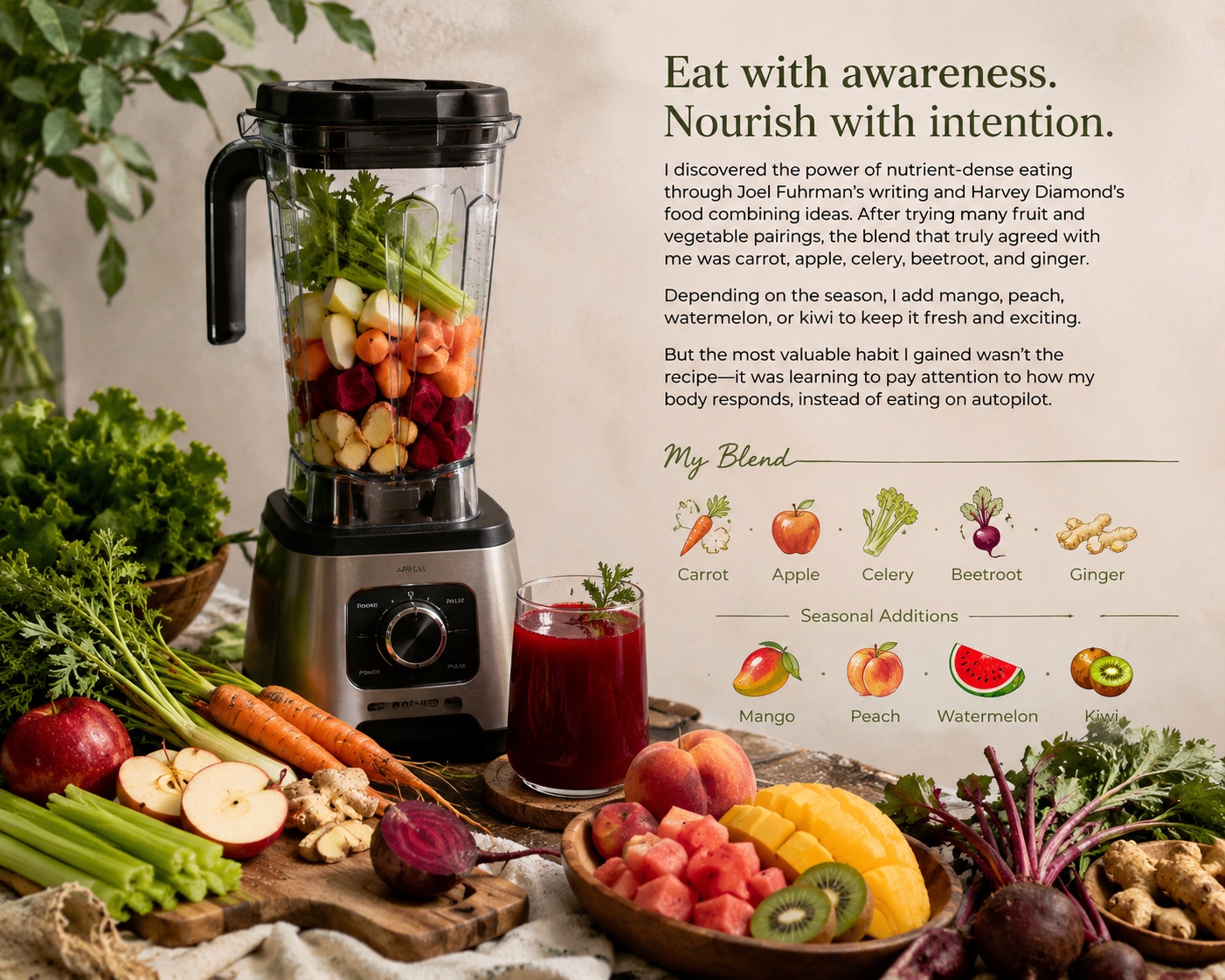
Most mornings start the same way for me: blender out, carrot and apple and celery going in, a spoonful of beetroot powder, a knuckle of fresh ginger. It is a small ritual, the kind that has happened so many times it barely registers as a decision anymore. If I travel and skip it for a few days, the mornings feel slightly off in a way I struggle to name until the smoothie comes back into rotation.
I did not arrive at this on purpose, exactly. Years ago I came across Joel Fuhrman’s writing on nutrient-dense eating and Harvey Diamond’s ideas about food combining, and I went through a stretch of trying different fruit and vegetable pairings to see what actually agreed with me. Some combinations I dropped within a week. The carrot, apple, celery, beetroot, and ginger blend was the one that stuck, and depending on the season I will add mango, peach, watermelon, or kiwi just to keep it from feeling repetitive. What stayed constant through all that experimenting was something less obvious than the recipe itself: I got into the habit of actually paying attention to how my body responded to what I ate, instead of eating on autopilot.
The part that taught me the most, though, was not the routine itself. It was losing it. A few years ago a stretch of travel and a busier season at work knocked the habit out for almost two months. When I picked it back up, the difference was noticeable enough that it bothered me. I had not realized how much that one daily habit had been doing quietly in the background until it was gone and then came back.
That is roughly where this post lives. Not a list of exotic ingredients to chase, but a pattern, repeated often enough to matter, built around foods that work against inflammation instead of feeding it. After 40, that pattern carries more weight than it used to, for reasons that have everything to do with estrogen.
Related Guides on LoseFatAfter40Now.com
What Chronic Inflammation Actually Does to Belly Fat
Inflammation itself is not the enemy. Acute inflammation is your immune system doing its job: you cut your finger, tissue swells, white blood cells show up, the area heals. That kind of inflammation resolves and moves on.
Chronic low-grade inflammation is a different animal. It is a persistent, low-level immune signal with no specific injury to resolve, cytokines like TNF-alpha and IL-6 circulating continuously rather than spiking and settling. Over time, this interferes directly with insulin signaling: cells respond less efficiently to insulin, blood sugar runs higher than it should, and more of what you eat gets routed into storage, disproportionately into the abdomen.
Visceral fat then makes the problem worse on its own. It is not inert padding, it actively produces inflammatory signaling molecules, which drives more fat storage, which produces more inflammation. Diet is one of the few levers that interrupts that loop rather than feeding it.
How Estrogen Decline Drives Inflammation After 40
This is the piece that makes an anti-inflammatory approach to eating more relevant at this stage of life than it was at 30.
Estrogen has a direct, measurable anti-inflammatory effect. It modulates immune cell activity and suppresses the production of several inflammatory cytokines, work that mostly goes unnoticed until the hormone declines and that suppression weakens. Oral estrogen therapy has been shown to lower circulating IL-6 and TNF-alpha, among other inflammatory markers, which is one of the clearer demonstrations of estrogen acting as an anti-inflammatory agent in the body rather than just a reproductive hormone (Journal of Menopausal Medicine, 2019).
As estrogen declines through the perimenopausal transition, that protection fades. Research on perimenopausal women has found measurable increases in proinflammatory cytokines and CRP as estrogen drops, a shift that shows up independent of how much weight someone has gained (Aging, 2021). Practically, this means a diet that produced no visible inflammatory response at 35 can produce a real one at 45, even with nothing else changed.
What the Research Shows About Inflammation in Midlife
The mechanism is straightforward once you see it: less estrogen means less natural anti-inflammatory buffering, which means inflammatory markers run a little hotter at baseline, which means the foods you eat have more influence over where that baseline settles. That is the actual case for eating this way after 40. Not a trend, a hormonal shift with a dietary lever attached.
The Anti-Inflammatory Eating Pattern (Not a Food List)
Most articles on this topic are a list: ten foods, each with a compound and a recommended amount, read once and forgotten. The compounds are real, but the list format misses the actual point, which is that no single food does much in isolation. What moves inflammatory markers is a pattern repeated often enough that it becomes the default rather than the exception.
That morning smoothie is one small piece of mine. It is not a remedy I take and forget. It is one repeated input among several, alongside a lunch that almost always includes greens and a protein source, and dinner that leans on fish or legumes more often than not. None of it is dramatic. The Mediterranean dietary pattern, the best-studied anti-inflammatory eating style there is, works the same way: olive oil, fish, legumes, vegetables, repeated as a baseline rather than as an occasional health kick.
Underneath the specific foods, the categories below are doing different jobs. Some directly suppress inflammatory cytokine production. Some support the gut microbiome, which has its own influence on systemic inflammation. Knowing the category matters more than memorizing every individual food in it, because it tells you what you are actually trying to build into a week of eating.
Omega-3 sources
Fatty fish (salmon, sardines, mackerel) and walnuts supply the omega-3s EPA, DHA, and ALA, which directly suppress the production of inflammatory cytokines and have been shown to lower CRP in a dose-dependent way, with meaningful effects around 1,200mg of combined EPA and DHA daily (Inflammopharmacology, 2025). Canned sardines and salmon work just as well nutritionally as fresh.
Plant compounds
Extra-virgin olive oil contains oleocanthal, a compound that inhibits the same inflammatory enzymes as ibuprofen, at the concentrations found in a typical Mediterranean-style diet (Nature, 2005). Turmeric’s curcumin is well studied as an anti-inflammatory compound on its own, but it is poorly absorbed unless paired with black pepper, which increases absorption dramatically (Planta Medica, 1998). Garlic and onions add allicin and quercetin, compounds with documented effects on cardiovascular inflammatory markers (Chinese Medicine, 2024).
Antioxidant-rich foods
Blueberries and other dark berries, colorful vegetables, and leafy greens supply anthocyanins, carotenoids, and magnesium, a mineral most women over 40 fall short on and one that has its own direct anti-inflammatory effect. Five or more colors of produce across a day is a simple way to track this without counting anything.
Berries: the case for keeping the freezer stocked
I used to buy fresh blueberries and lose a third of the container to mold before finishing it. After reading that frozen berries hold their nutrient value, I switched, and a side-by-side comparison study backs that up: frozen blueberries retain anthocyanin content comparable to fresh even after months in the freezer (Journal of Biomedicine and Biotechnology, 2004). It solved the waste problem and the cost problem in one move. The unexpected bonus was texture: blended frozen with a handful of strawberries, they turn into something closer to soft-serve than a smoothie, and that switch in texture alone has made it one of the things I look forward to most in a day.
Gut-microbiome support
Fermented foods (plain Greek yogurt, kefir, kimchi, sauerkraut) supply live bacterial cultures, and microbiome diversity is increasingly tied to lower systemic inflammation. Greek yogurt does double duty here, adding protein alongside the probiotic benefit.
Anti-inflammatory beverage
Green tea’s EGCG inhibits multiple inflammatory pathways, and its L-theanine has been shown to lower salivary cortisol in the hours after a stressful event (Nutrients, 2016), which matters because cortisol itself drives abdominal fat storage. Two to three cups a day, in place of an afternoon coffee, covers both bases at once.
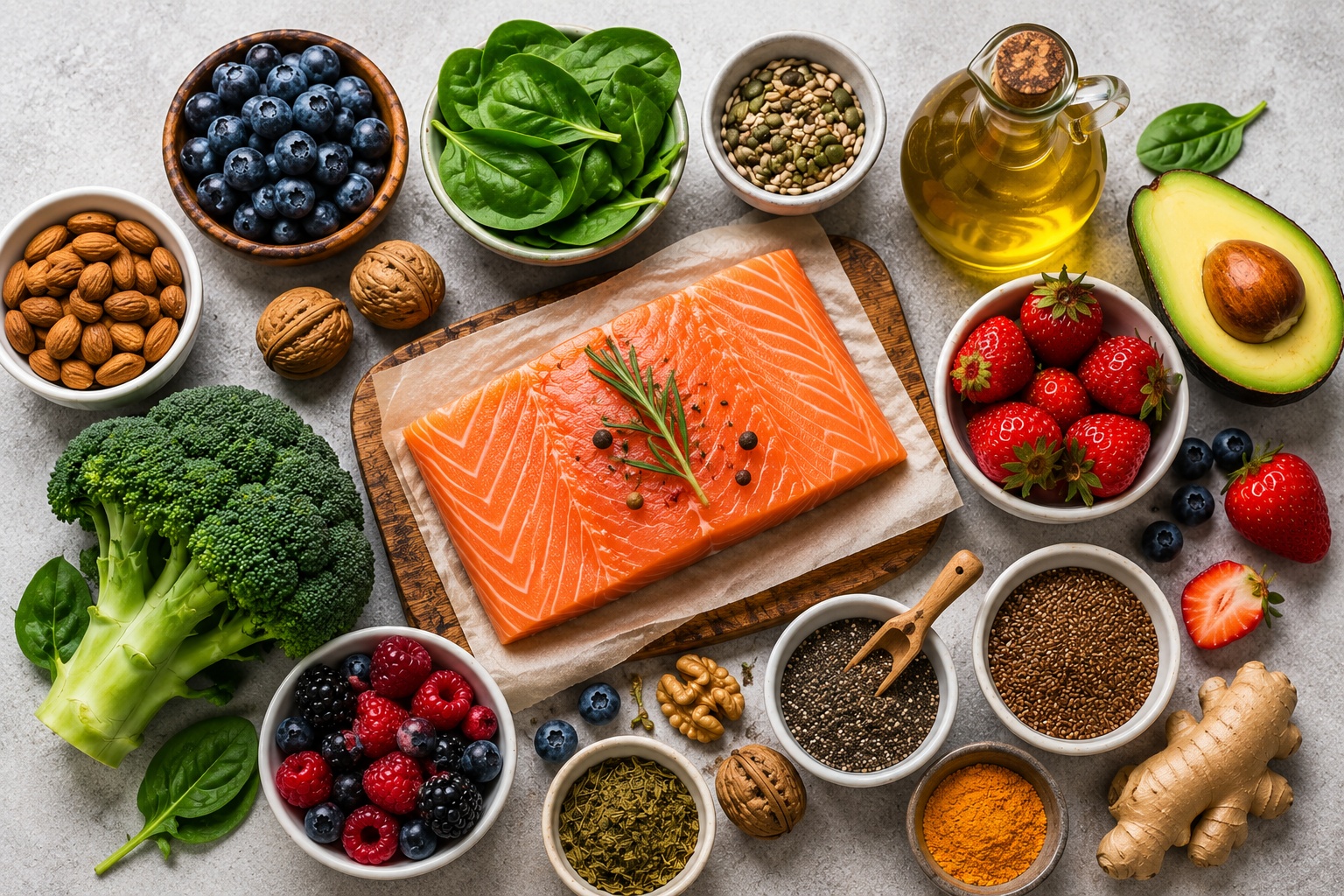
Anti-inflammatory foods, by category
Foods That Fuel Inflammation
Reduce these, rather than chasing more anti-inflammatory foods on top of them
Ultra-processed foods, industrial seed oils high in omega-6 relative to omega-3, refined sugar, white bread and pasta, alcohol, processed meats, and sugary drinks all push inflammatory markers in the wrong direction. Alcohol in particular disrupts microbiome diversity and raises inflammatory markers even at moderate intake, and that cost increases after 40 rather than staying flat.
Adding salmon twice a week does little if the rest of the week is still built around the foods above. The reduction side of this matters as much as the addition side, even though it gets less attention.
The Grocery List
Proteins:
- Wild-caught salmon (fresh or canned), sardines in olive oil
- Eggs, full-fat plain Greek yogurt, cottage cheese
- Tempeh or firm tofu, lentils, chickpeas, black beans
Fats:
- Extra-virgin olive oil (cold-pressed, dark bottle)
- Avocados, walnuts, almonds, chia seeds, ground flaxseed
Vegetables and fruit:
- Spinach, kale, arugula, broccoli, cauliflower
- Bell peppers, sweet potato, tomatoes, beets, garlic, onions
- Blueberries and strawberries (frozen is fine), cherries, citrus
Herbs, spices, beverages:
- Turmeric and black pepper, ginger, cinnamon
- Green tea, herbal teas, sparkling water
How to Build an Anti-Inflammatory Plate
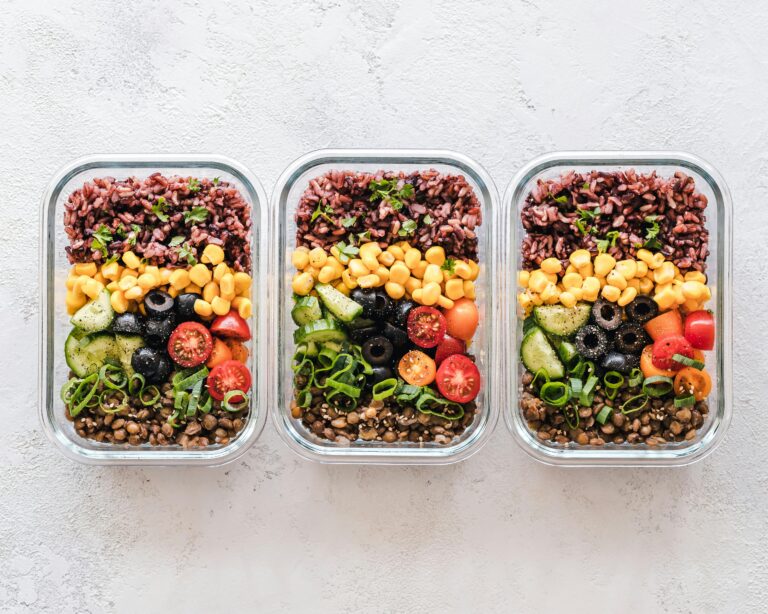
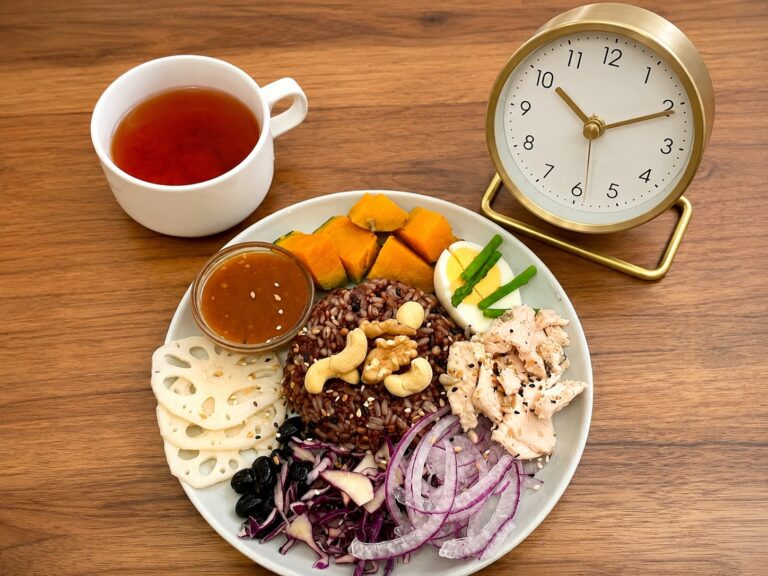
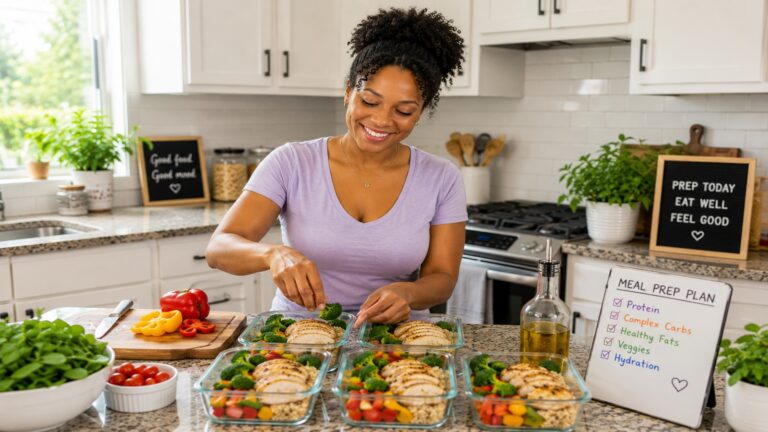
The pattern, reduced to one sentence: protein, a fat source, and several colors of vegetable or fruit, at most meals, most days.
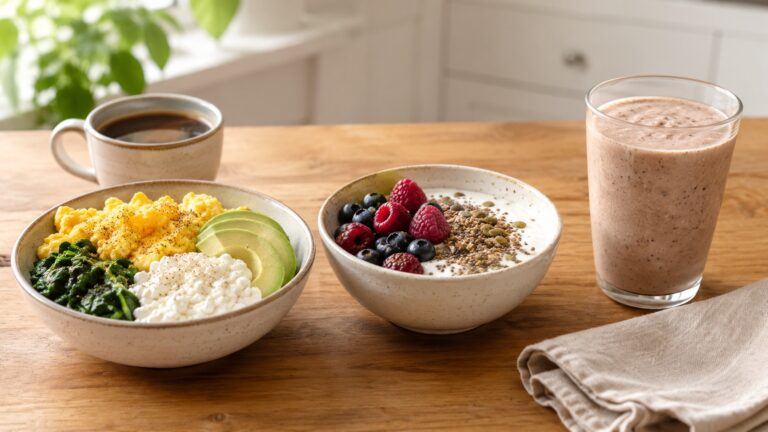
Breakfast: Greek yogurt, frozen blueberries, walnuts, ground flaxseed. Or the carrot-apple-celery-beetroot-ginger smoothie described above, with whatever fruit is in season.
Lunch: A large salad built on spinach, with salmon or chickpeas, avocado, tomatoes, olive oil and lemon.
Dinner: Roasted salmon or lentils, broccoli with garlic and olive oil, a small portion of sweet potato.
Snack: Green tea with a small handful of walnuts or berries.
Frequently Asked Questions
How long before an anti-inflammatory pattern shows up in CRP levels?
Most research on dietary interventions shows measurable change in inflammatory markers within four to eight weeks of consistent eating, though some people notice less bloating and steadier energy within the first one to two weeks.
Is the Mediterranean diet the same thing as eating anti-inflammatory?
It is the closest thing to a gold standard for this. Olive oil, fish, legumes, vegetables, and limited processed food make up both, which is part of why the Mediterranean pattern shows up so consistently in longevity and inflammation research.
Do I need a fish oil supplement if I already eat fish twice a week?
Probably not. Two to three servings of fatty fish weekly generally covers omega-3 needs. If fish rarely makes it onto your plate, a fish oil supplement providing 1 to 2 grams of combined EPA and DHA is a reasonable substitute.
Can this kind of eating help with perimenopause symptoms beyond weight?
There is growing evidence that anti-inflammatory eating patterns are associated with less severe hot flashes and steadier mood through the menopausal transition, on top of the weight and metabolic effects.
The Bottom Line
I did not start any of this as an inflammation strategy. It started as curiosity about food combinations and turned into a habit mostly by accident. The part that actually convinced me it mattered was not reading the research, it was losing the routine for two months and feeling the difference when it came back.
You do not need to rebuild your kitchen this week. Pick one piece: fatty fish twice this week, olive oil as your default cooking fat, a frozen bag of blueberries instead of letting fresh ones go bad in the fridge. The pattern compounds. The list of foods is the easy part. Repeating it on an ordinary Tuesday, for months, is the part that changes anything.
What does your version of this pattern already look like, even if you have not thought of it as anti-inflammatory? Tell me in the comments.
Disclaimer: This post is for informational purposes only and does not constitute medical advice. Please consult with a healthcare provider before making significant dietary changes.

Grace Young is the founder of LoseFatAfter40Now.com. After years of following conventional advice that quietly stopped working, she went deep into the research on hormones, metabolism, and midlife physiology to find what actually does. Everything on this blog comes from that investigation, and from living it. Read Grace’s full story →